Directions
Real Argentine tango has no fixed choreography: every step is improvised inside the embrace — a conversation without words.
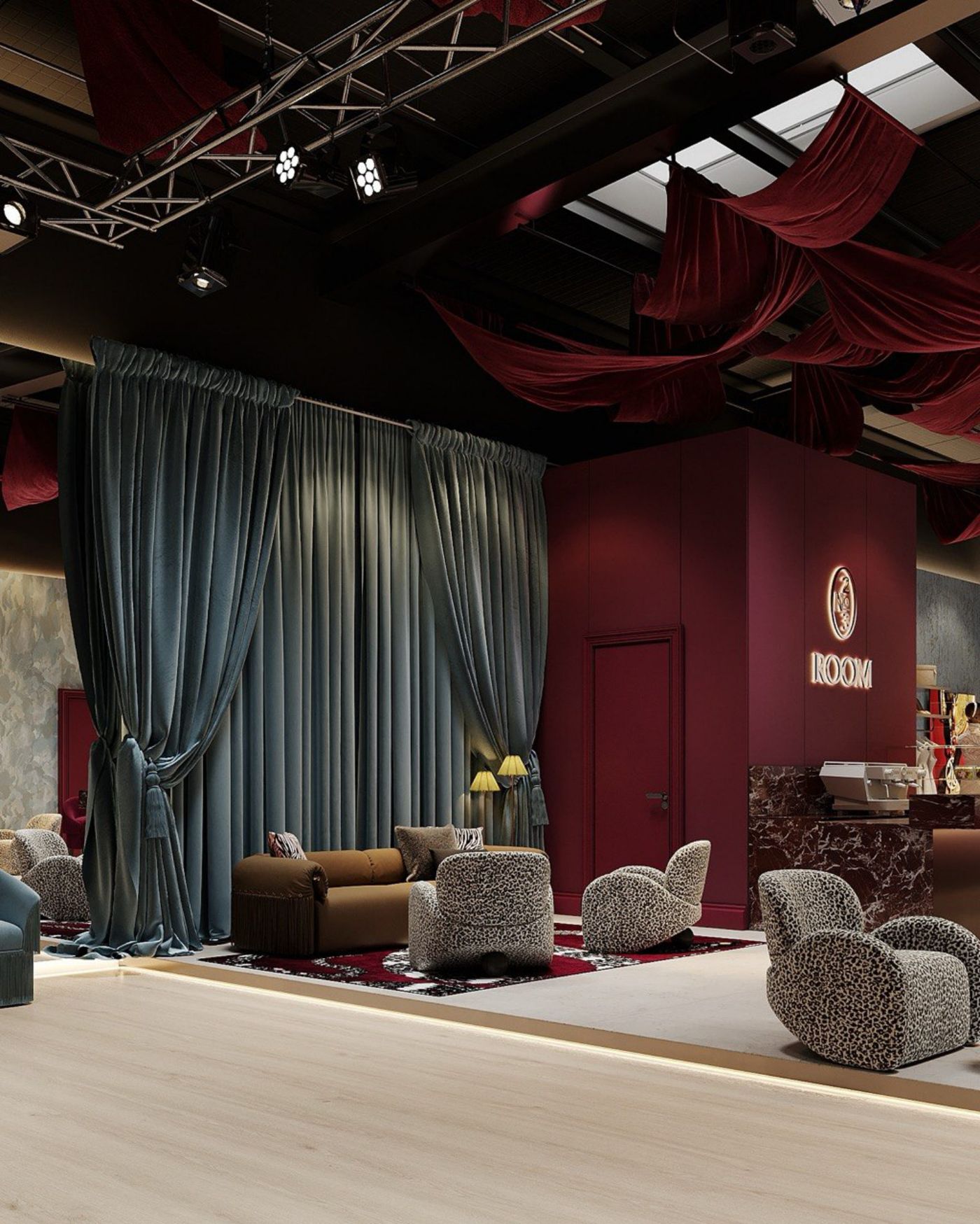 Video · coming soonArgentine Tango at Room 203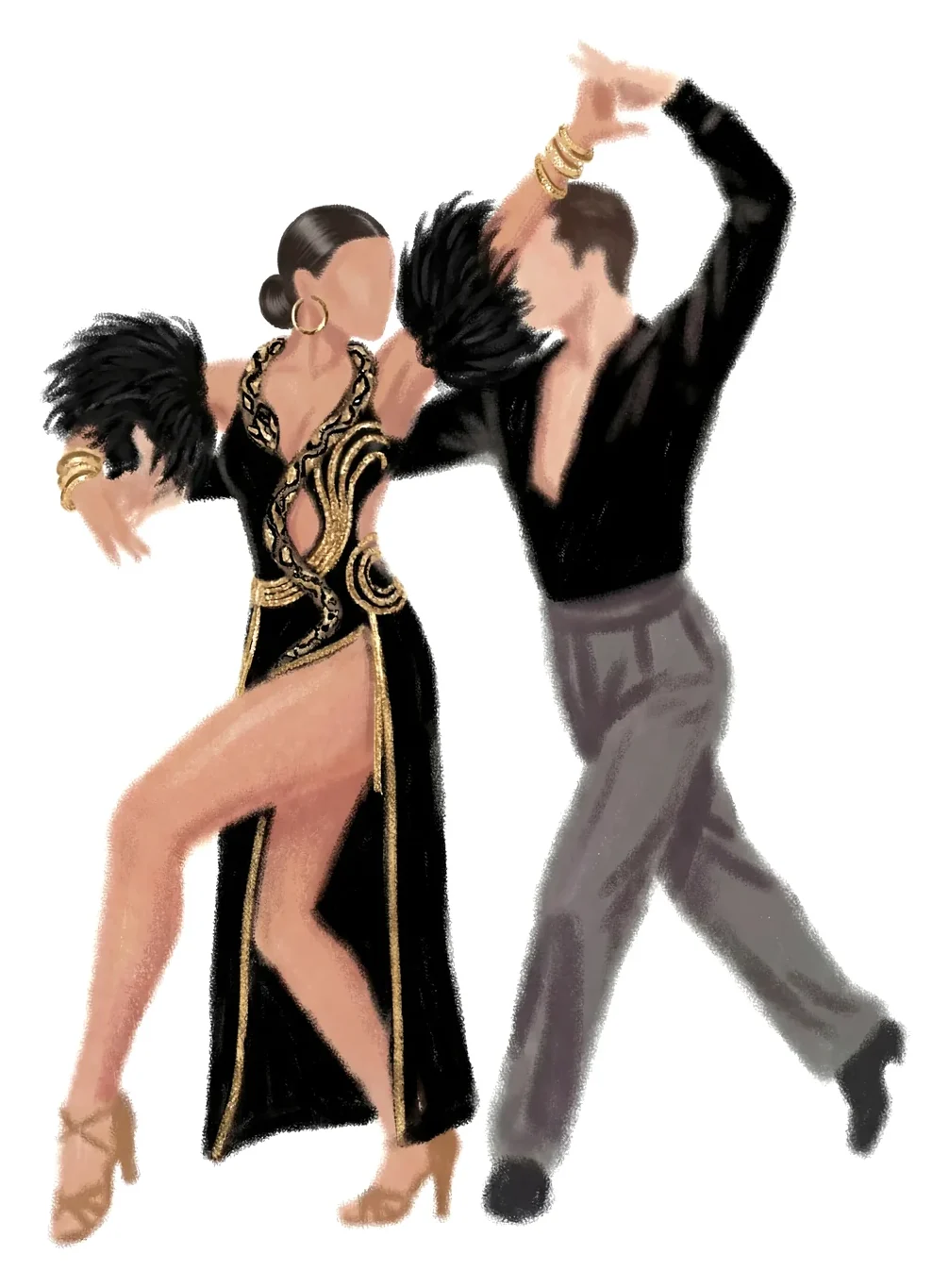
Argentine tango was born at the end of the nineteenth century in the port neighbourhoods of Buenos Aires and Montevideo, and in 2009 UNESCO added it to its list of Intangible Cultural Heritage. Forget the rose between the teeth: real Argentine tango has no fixed choreography. Every step is improvised inside the embrace, which is why tango dancers describe it as a conversation without words.
We start where every tanguero starts, with the walk. It sounds simple and takes a lifetime to perfect. From there come the embrace, the connection and then the vocabulary of the dance: ochos, giros, sacadas and boleos. Along the way you will learn to hear the difference between tango, vals and milonga, and pick up the unwritten codes of the milonga, the social evening where tango truly lives.
Beginners need no experience at all. Intermediate is for dancers who feel comfortable in the embrace and know the basic figures. Advanced is about musical interpretation, complex figures and that elusive quality of connection that makes a three-minute tango feel like a whole story.
Ballroom tango is a competitive Standard dance with fixed technique and staccato character; Argentine tango is improvised, social and danced in a close embrace.